

Can You Smoke CBD: Everything Worth Inhaling and Exhaling About the Trend
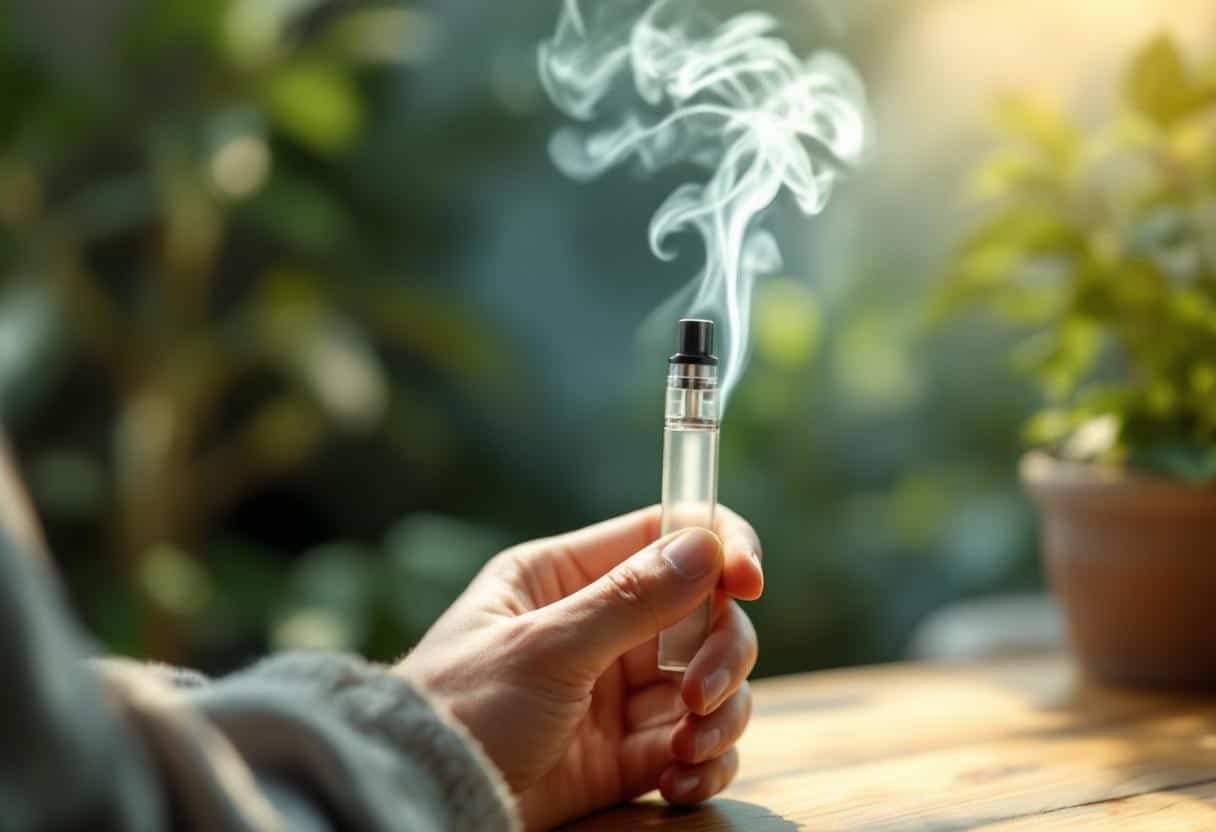
For those curious about the real deal behind smoking CBD, here’s a quick rundown: it can be smoked in various forms like CBD flower, pre-rolls, joints, and cigarettes; it does not get anyone high; legality depends on THC content; there are both health debates and touted benefits; alternatives abound for the smoke-shy. The following sections sort out the legal tangles, explain the different ways to inhale, spotlight health factors, and compare alternatives—no generic CBD talk, just what truly matters for those eyeing this trend.
Can You Actually Smoke CBD?
No secret societies or cryptic passwords needed—smoking CBD is not only possible, but becoming more mainstream each month. While regulations may vary by region, individuals everywhere have started rolling, vaping, and packing their pipes with options ranging from bright hemp flowers to grab-and-go pre-rolls.
Before anyone sparks up in search of relaxation, rest assured: CBD flower, pre-rolls, joints, and even CBD cigarettes exist exactly for this purpose. Unlike its infamous cousin, CBD does not get users high or cause psychoactive effects. Instead, expect calm delivered through fragrant clouds, minus any outer-space detours.
The Parade of Forms: From Flower to Rolled Bliss
Retailers today offer no shortage of creativity. Here are the main ways people enjoy smokable CBD:
- CBD flower—pure hemp buds resembling traditional cannabis, but without the mind-altering side effects
- Pre-rolls—ready-made convenience for those craving instant relaxation
- Cigarettes—filtered for former tobacco lovers missing the ritual
- Joints—perfect for sharing or solo moments of peace
Pipes and bongs remain classic favorites for purists, while vapes cater to tech-savvy consumers who appreciate less combustion and more button-pressing action. Each method provides its own nuances—whether it’s the ritual, flavor, or stealth factor—ensuring every enthusiast finds a preferred way to indulge.
Legal Status: THC Content, Patchwork Laws, Headaches
The right to light up smokable CBD is far from universal, so always check local rules before joining the cloud. Legality usually hinges on THC content within the plant material. In many Western regions, anything below 0.3% THC gets the green light, though thresholds shift across borders.
Reading up on legal status sometimes feels like prepping for an unwelcome pop quiz. Hemp products low in THC and high in CBD typically pass under the radar, since CBD does not get one high. Still, international travelers beware: airports and certain states enforce stricter policies, risking unwanted drama for those skipping their homework.
Reading Labels Becomes a Competitive Sport
Labels might not lie, but deciphering them often requires patience. When shopping for smokable CBD, always scan packaging for THC content. Anything above the legal limit should be avoided unless someone enjoys stern lectures and confiscated goods.
Lab reports add credibility. Trustworthy brands display test results confirming THC limits, providing reassurance and smoother sailing for anyone hoping to stay within the lines when exploring the world of smoking CBD.
What Does Smoking CBD Do? A Trip Without the Trip
Those expecting swirling visuals after two puffs will be disappointed—smoking CBD works quietly, leaving mental clarity untouched. This practice is strictly for those seeking rapid, body-focused effects rather than cosmic adventures.
“Non-psychoactive” isn’t just marketing speak—it means serenity arrives without confusion or sudden fits of laughter that could raise eyebrows at family gatherings. Most describe a gentle easing of tension or nerves, nothing more dramatic.
Immediate Feedback, Minimal Guesswork
One key advantage: nearly instant effect. Inhalation delivers CBD rapidly into the bloodstream, allowing the compound to work its magic almost immediately. There’s no need to wait for slow digestive processes to take their course.
This speed appeals to those needing quick relief from stress or wanting something fast-acting after a long day. That’s why methods like vapes, pipes, and joints remain go-tos for rapid response situations.
Benefits of Smoking CBD: Smoke Signals Worth Noting
Advocates consistently highlight ease, convenience, and speed—qualities that appeal to even the most impatient among us. Smoking CBD bypasses lengthy waits linked to oils or edibles and offers rituals that feel oddly comforting, especially to ex-smokers.
Many former nicotine fans specifically turn to CBD cigarettes or joints as a step-down strategy. Though science is still catching up with definitive studies, plenty of anecdotal evidence points to mood support, relaxation, and help breaking habitual hand-to-mouth routines—without introducing addictive properties.
CBD for Tobacco/Nicotine Replacement
Breaking free from old habits is a leading reason some make the switch. As more smokers seek safer routines, smoking CBD stands out as a promising substitute for those attached to the ritual. Pre-rolls, cigarettes, or even raw flower in a pipe become appealing alternatives.
This path doesn’t guarantee zero risk, but compared to nicotine, CBD’s non-addictive profile makes it a solid option for harm reduction. For restless hands needing something to do, it might be just the exit ramp required.
Weighing Safety and Health Risks: All Smoke Isn’t Created Equal
Not everything is sunshine and clear lungs, unfortunately. Inhaling any combusted material—including pure hemp—means exposure to heat and byproducts. Still, those moving from heavy tobacco to smoking CBD often report feeling lighter overall.
Long-term effects remain poorly documented. Burning plant matter inevitably produces tar, carbon monoxide, and other unwelcome extras. Individuals with sensitive airways or chronic respiratory issues may want to consider less smoky options—or at least proceed with caution, as if tiptoeing over hot coals.
Diving Into Safer Methods of Smoking
Some techniques, such as vaping CBD flower (not oil-based cartridges), show promise for delivering desired effects with fewer toxins. Bongs can cool smoke, though water filtration cannot eliminate all irritants.
Pipes win points for simplicity and portability, while vapes attract attention for temperature control and discreet use without the burnt-paper aroma. The takeaway: choose wisely based on personal tolerance and environment.
Alternatives to Smoking CBD: Choices Beyond the Ashtray
While the trend grows, smoking CBD is not everyone’s cup of tea. Fortunately, there are ample alternatives for those steering clear of fire and rolling papers.
- Edibles—gummies and chocolates for sweet cravings
- Tinctures—simple dosing via droppers, though slower acting
- Capsules—think supplements, but with a hemp twist
- Topicals—creams and balms for targeted relief, no inhalation required
Every alternative trades rapid onset for discrete use and longer-lasting effects. Some prefer the speed of smoking or vaping, while others value the sustained relief of edibles or tinctures. It all boils down to personal priorities—quick calm or extended comfort.
| Method | Onset Time | Duration | Stealth Level |
|---|---|---|---|
| Smoking/Vaping | Minutes | 1–3 hours | Low |
| Edibles | 30–90 minutes | 4–6 hours | High |
| Tinctures/Capsules | 20–40 minutes | 4–8 hours | Medium |
| Topicals | Varies by application | Varies | Very high |
Ultimately, curiosity and a willingness to explore keep the market lively. Whether trying classic smoking CBD methods or experimenting with modern alternatives, the journey toward the perfect dose continues, fueled by innovation and personal preference.


