

Is CBD Legal in Tennessee? Navigating the Complex Landscape of CBD Laws
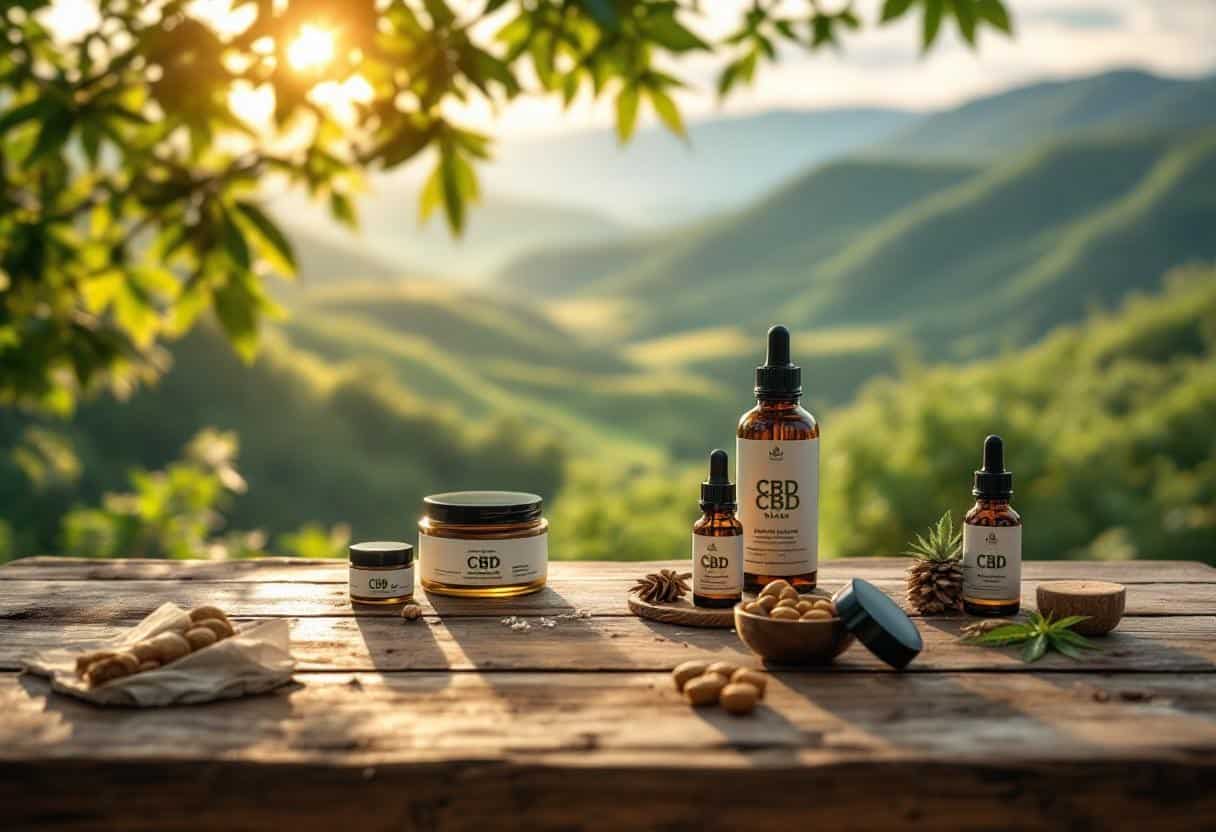
Anyone venturing into Tennessee’s cbd legality maze should prepare for a ride filled with fine print, age checks, and regulatory curveballs. This article skips tired definitions and instead delivers direct answers on hemp legalization, the thc content limit (0.3% or less), licensing hurdles, marijuana illegality, crucial possession and sale rules, and the nitty-gritty of labeling, testing, and age restrictions. In short: this is the state of play for anyone navigating the CBD scene in Tennessee.
The Evolution of CBD Legality in Tennessee
Tennessee did not always roll out the welcome mat for hemp-derived products. The landscape changed dramatically following the federal farm bill of 2018, which triggered sweeping hemp legalization across the country. Before that, every cannabis extract—psychoactive or not—was locked firmly under prohibition.
With new federal guidance, Tennessee lawmakers drew a bold line: only hemp-derived cbd containing a thc content limit (0.3% or less) makes the cut. Anything above that threshold transforms instantly from legal crop to illegal contraband. While marijuana illegality persists without compromise, hemp enjoys a cautious nod of approval.
Hemp-Derived CBD Versus Marijuana: Why the Fuss?
The confusion often stems from how authorities slice and dice the cannabis family tree. Hemp and marijuana might share roots, but only one gets a spot on store shelves while the other remains more off-limits than parking in the governor’s spot.
That infamous 0.3% THC figure is everything. Retailers scrutinize lab results, knowing any product sneaking past the official thc content limit (0.3% or less) risks fines, seizures, and courtroom drama.
Consequences of Crossing the THC Line
When test results reveal excessive THC, regulators move quickly. Retailers with over-the-limit products face immediate destruction orders, threatened licenses, and shattered business plans.
For individuals, accidentally purchasing high-THC CBD is risky business. Even if bought innocently, owning such products can result in charges similar to those for marijuana possession.
Marijuana Illegality and Zero Tolerance Policy
While some states embrace recreational cannabis, Tennessee doubles down on its ban. Marijuana illegality is absolute, and the 0.3% rule draws the only legal line.
Testing positive for THC beyond what is allowed—even unintentionally—can bring penalties. There are no medical marijuana loopholes wide enough to squeeze through here.
Licensing and Regulations for Retailers and Producers
No legitimate business simply slaps a “CBD Sold Here” sign in the window overnight. Licensing and regulations dominate the process. Anyone growing, processing, or selling hemp-derived cbd faces detailed applications, inspections, and compliance audits before a single product hits the shelf.
State inspectors make regular appearances, clipboards in hand, ready to check everything from THC levels to packaging labels. Farmers and retailers alike must navigate an intricate set of requirements to stay in business.
Registration and Oversight Procedures
Prospective hemp farmers start their journey at the Tennessee Department of Agriculture, tackling paperwork, fees, and random plot inspections. Every field is mapped and registered.
Retailers wade through annual renewals, sales logs, and strict verification that every SKU stays within the required THC limit. Compliance is a year-round event.
Possession and Sale Laws for Individuals and Vendors
For Tennesseans, legal cbd possession means sticking with hemp-derived sources and staying under the magic 0.3% THC ceiling.
Vendors face equally precise demands. Audits cover supply chains, storage practices, and document trails. Failing these tests can mean pulled inventory and potential legal headaches.
Personal Use and Traveling Dilemmas
Legal status stops at the border. Traveling with hemp-derived cbd requires up-to-date lab reports and purchase receipts. Mislabeling or unclear documentation can cause delays—or worse—with airport security or law enforcement.
Within Tennessee, adults may possess properly labeled products from reputable dealers. Mystery items or vague origins invite scrutiny, searches, and possible confiscation.
Retail Responsibilities and Common Pitfalls
Retailers learn fast: a mislabeled shipment or expired certificate triggers instant red flags. Some scramble to replace suppliers and risk gaps in documentation, or even accidental illegal batches.
To avoid disaster, many stores perform internal audits, cross-referencing inventories against lab results and keeping impeccable records. Staff receive thorough training, right down to reading the fine print on every label.
Labeling and Testing Requirements
Tennessee insists that every ounce of legal product meet strict labeling and testing requirements. Batch numbers, manufacturing details, and expiration dates must all be clear. No more backroom tinctures with mysterious origins.
Every lot needs a certificate of analysis from an accredited lab, confirming THC levels comply exactly with state law. Missing paperwork means returned shipments and frustrated customers.
- All products must display THC amounts clearly (thc content limit: 0.3% or less).
- Manufacturing and expiration dates are mandatory.
- Ingredients and sourcing must match official documentation filed with regulators.
- QR codes or links to third-party testing must be available for customer review.
- Mislabeling triggers immediate removal from shelves and monetary penalties.
Age Restrictions and Who Can Buy CBD in Tennessee
Not everyone can leave with a handful of gummies. Age restrictions draw the boundary: buyers must be at least 21 for inhalable or vape products, while edibles and oils typically require a minimum age of 18.
Retailers enforce ID checks with near-border-control precision. Any mistake puts owners at risk for big fines or suspended licenses—and plenty of disappointed customers.
| Product Type | Minimum Age Requirement | Sales Restrictions |
|---|---|---|
| CBD Oil/Tincture | 18+ | No prescription needed, labeling/testing required |
| Inhalable/Vape CBD | 21+ | Strict ID checks, subject to specialized regulations |
| CBD Edibles | 18+ | Clear ingredient listing, childproof packaging required |
Peculiarities, Updates, and Quirks of Tennessee’s Approach
Lawmakers continue to introduce tweaks and clarifications around cbd legality in tennessee. Since the farm bill of 2018, rules have emerged addressing synthetic cannabinoids and ongoing debates about expanding protections.
Yet nothing rivals the suspense of a surprise inspection or rumors about future relaxations that never quite materialize. For now, hemp-derived cbd stays tightly regulated. A single misstep—a bad label or questionable batch—sends both buyer and seller scrambling for the latest legal updates.


